Useful distinctions
- Intentional character (texture, milder funk you enjoy)
- Fault (cork taint, vinegar spike, heat damage) — see wine faults
Shopping tips
- Ask retailers what “natural” means for that SKU
- Start with one bottle, not a case
- Serve at proper temperature; cold can mask chaos, warmth can amplify it
Buying posture
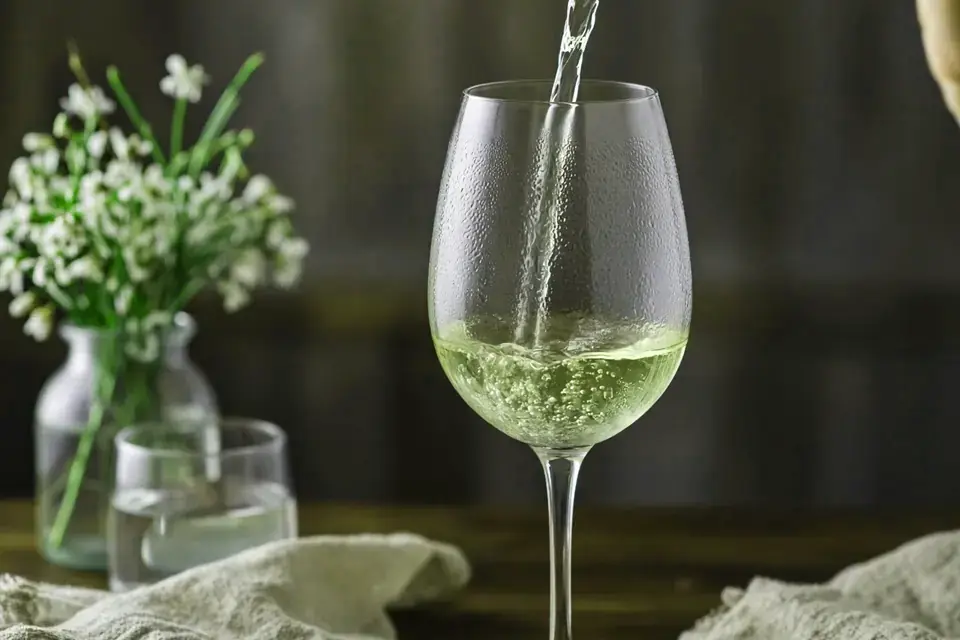
Ask retailers what “natural” means for that SKU. Start with one bottle. Serve at sensible temperature — cold can mask chaos; warmth can amplify it.
What the label can and can't tell you
"Natural wine" has no legal definition in the UK, so two bottles with the same word on the shelf talker can be made very differently. A few things are regulated and worth knowing:
- Sulphites must be declared. UK labelling law requires "contains sulphites" on any wine with more than 10 mg per litre. Almost all wine contains some, because yeast produces small amounts during fermentation. Natural winemakers usually add little or none, but "no added sulphites" doesn't mean sulphite-free.
- Organic is certified. "Organic" on a UK or EU label means the grapes were grown and the wine made under certified organic rules, which also cap sulphite additions. It says nothing about wild yeast or filtration.
- Biodynamic is a private standard. Labels such as Demeter certify biodynamic farming, which goes beyond organic rules.
- France has a voluntary natural label. Since 2020, French producers can use the "Vin Méthode Nature" logo if they meet its charter, including hand harvesting, native yeasts and no or minimal added sulphites.
Storage and serving
Wines made with little or no added sulphite can be more sensitive to heat and light. Store them cool and upright or on their side away from radiators, and don't leave them in a warm car. Many natural reds are lighter and taste better slightly cool, around cellar temperature; 20 minutes in the fridge is a good start.
Where to try before you commit
The quickest way to learn the range is to taste different styles side by side: a skin-contact white (sometimes called orange wine), a light chillable red and a pét-nat (a lightly sparkling wine bottled before fermentation finishes).
Independent wine shops and wine bars with a by-the-glass list are the lowest-risk way to explore, because staff can describe each bottle and you can try a glass rather than buy several. Natural wine fairs, such as RAW WINE in London, let you taste many producers in one place. If a wine smells strongly of mouse or vinegar, that's a fault, not a style — see wine faults.
Related
What “natural” roughly signals
Less intervention, varied definitions, sometimes funkier flavours. It is not a legal guarantee of quality. Taste widely, reject dogma.
Buying tips (UK)
- Independent merchants often curate better than random supermarket shelves
- Ask how the wine was stored
- Be open to slight haze or unusual aromas — and also free to dislike them
Serving
Temperature and glass still matter. A funky bottle served warm in a tiny glass will not convert sceptics — glassware, wine guide.