Common faults
| Clue | Possible issue | What to do |
|---|---|---|
| Wet cardboard / mouldy basement | Cork taint (TCA) | Do not “air it out” hoping for magic |
| Sherry-like when it should be fresh | Oxidation | Return if retail allows |
| Cooked jam + flat | Heat damage | Avoid warm-shelf bottles next time |
| Struck match that will not blow off | Reduction (sometimes temporary) | Swirl/decant briefly; if stuck, move on |
| Vinegar / nail polish extremes | Volatile acidity / spoilage | Stop pouring for guests |
Style vs fault
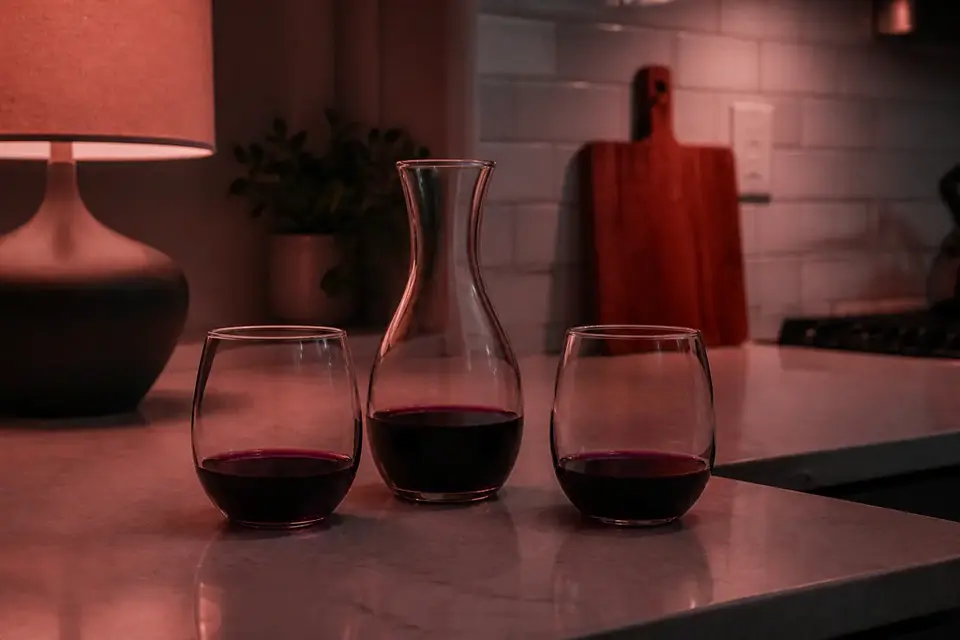
Some bitterness, earth, or funk is style. If you are unsure, compare with a second healthy bottle of a wine you know.
Style versus damage
Earth or mild funk can be style; wet cardboard, vinegar spikes, and cooked-flat aromas are not. When unsure, open a known-good bottle for calibration before blaming your palate.
Your rights if a bottle is faulty
Under the Consumer Rights Act 2015, goods you buy in the UK must be of satisfactory quality. A corked or otherwise faulty bottle isn't, so you're entitled to a refund or replacement from the shop that sold it. In practice most supermarkets and wine shops will replace a faulty bottle without argument if you bring back the bottle with most of the wine still in it, the cork or cap, and the receipt. Re-cork it and bring it back within a few days so the fault is still obvious.
In a restaurant, it's reasonable to send back a bottle that's faulty, and staff should replace it. It isn't reasonable to send back a sound wine because you don't like the style. That's why the server pours a small taste first: the check is for faults, not preferences.
A quick sniff test
| Smell | Likely fault | Cause |
|---|---|---|
| Wet cardboard, musty cellar, damp dog | Cork taint | TCA (2,4,6-trichloroanisole) from a contaminated cork |
| Sherry-like, bruised apple, brownish colour | Oxidation | Too much air, often from a failing cork or a bottle opened days ago |
| Vinegar, nail-varnish remover | Volatile acidity | Bacterial spoilage; small amounts are tolerated in some styles |
| Struck match, rotten egg, cabbage | Reduction | Sulphur compounds; a struck-match note often fades with air |
| Stewed or jammy fruit, pushed-up cork | Heat damage | Stored or transported too warm |
| Sticking plaster, farmyard | Brettanomyces | A yeast; some drinkers like a trace in certain reds |
Things that look like faults but aren't
- Crystals on the cork or in the glass. Tartrate crystals ("wine diamonds") are harmless and form when wine gets cold.
- Sediment in an old red or vintage port. Normal; decant it off — see decanting.
- A slight fizz in a young white. Some styles, such as Vinho Verde, are made with a little dissolved carbon dioxide.
If you're still unsure whether a wine is faulty, compare it with a second bottle of the same wine, or ask the shop to taste it. Cork taint varies in strength: a mildly corked wine may simply taste flat and muted rather than obviously musty, and people differ a lot in how sensitive they are to it. Screwcaps remove the cork-taint risk, though screwcapped wines can occasionally show reduction instead — see cork vs screwcap.
Related
Common faults (plain language)
| Clue | Possible issue |
|---|---|
| Wet cardboard / musty | Cork taint (TCA) |
| Vinegar / nail polish | Volatile acidity / spoilage |
| Sherry-like when it should be fresh | Oxidation |
| Flat sparkling | Lost carbonation / poor seal |
What to do
Stop serving. Air does not fix cork taint. Compare with a second bottle if you have one. Keep evidence if returning.
Not every unusual note is a fault
Some styles are oxidative on purpose. Context matters. When unsure, ask a trusted merchant rather than Twitter.